

A fire risk assessment report is a vital tool that measures how safe a workplace is from fire hazards. It sets the standard for checking how potential risks are managed and controlled in business buildings. Meeting these safety rules ensures that workplaces operate smoothly and follow what the law says. A thorough report for a commercial property reveals that a company works the right way and values its employees. Government officials verify that businesses, stores, and factories follow adequate safety regulations using these papers.
What the Assessment Covers
A fire risk evaluation analyses fire doors, emergency lights, alarm systems, and building exits. It examines the storage of flammable materials, the efficacy of exit routes, and the presence of ignition sources.
Improving Workplace Safety
These evaluations provide a precise picture of the current safety of a workplace and areas for enhancement. These inspections enable owners and managers to know precisely what measures to implement to safeguard their personnel.
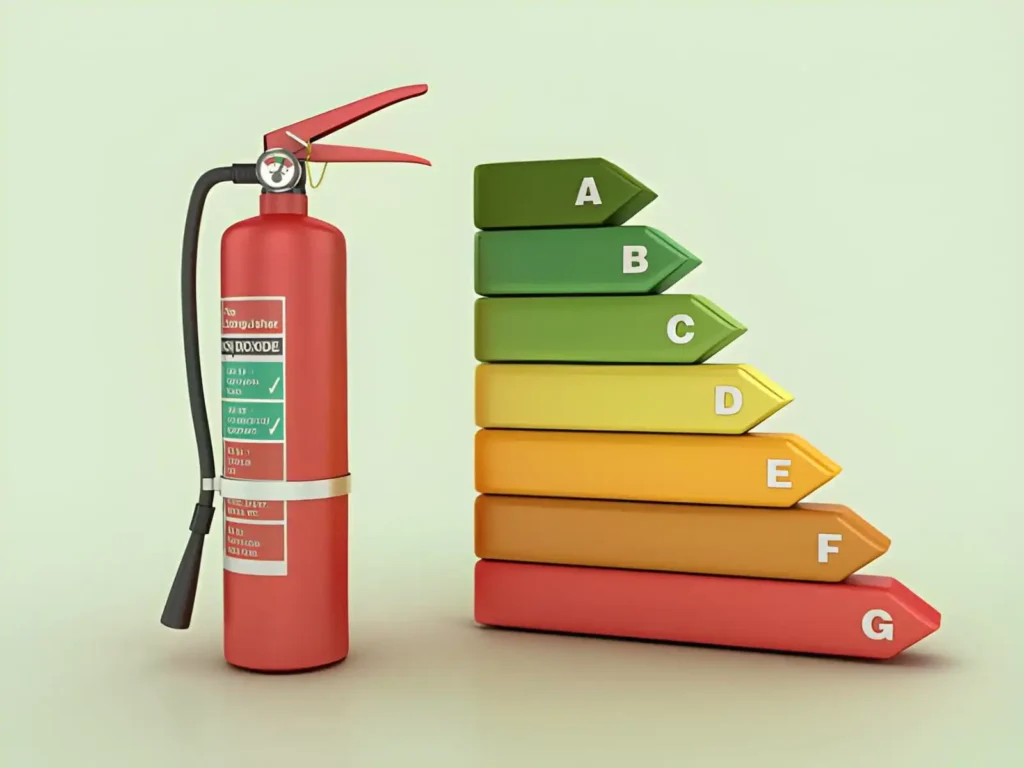
Key Takeaways
- Keeping hazards in check helps a workplace function better overall.
- Checking alarm systems often makes sure they keep working well.
- Watching heat sources and wiring cuts down on accidental fires.
- Clear exit paths keep movement stable and fast during an emergency.
- Regular upkeep of extinguishers stops equipment failures when they are needed.
- Good records show the truth and provide proof during official reviews.
- Digital tools can give live updates on the status of safety sensors.
- Teaching staff to handle equipment responsibly builds a safety mindset.
- Small fixes over time can make a big difference in total building safety.
- Regular updates to the report ensure a building stays safe for a long time.
How Workplace Safety Assessments are Conducted
Initial Inspection Process
The process for creating a fire risk assessment report starts with a full walk-through of the workplace. Inspectors check the building layout, fire-resistant walls, and safety systems. They look at heaters, kitchen equipment, and chemical storage areas.
System and Risk Evaluation
They also check the controls that manage fire alarms and sprinklers. After collecting this information, they study the findings to see where the biggest risks live.
Reporting and Recommendations
The final report gives the workplace a safety rating and lists ways to improve. It is then up to the owner to decide how to manage these risks.
Variation Based on Property Type
Checks might vary depending on the sort, complexity, and size of the office. While smaller offices could receive simpler audits, larger warehouses call for more thorough inspections.
Impact on Business Operations
These results affect insurance costs, staff confidence, and business planning. Reports are usually good for a set time, after which a new check is done to ensure the building still follows the rules.
Legal Duties for Business Fire Compliance
Legal Requirements
Workplace safety rules are enforced by laws that require every business to have a written safety plan. Owners must make sure their fire risk assessment report is up to date and shows the true state of the building.
Operational Impact
This can also affect the ability to legally operate or rent out a space. Safety records must always be ready for checking by the local fire authority.
Matching Reports with Reality
Review processes make sure that the fire-fighting tools on the wall match what the report says. Following these rules shows that owners do what the law expects.
Transparency and Accountability
It also shows they are open and honest about how they protect their workers. Officials may check records or ask for a copy of the report to make sure everything is correct.
Public Safety Contribution
These requirements help support larger public safety goals and ensure that buildings are prepared for any emergency.
Benefits of Maintaining High Safety Standards
Risk Prevention and Productivity
Sticking to the advice in a fire risk assessment report gives benefits beyond just following the law. Good risk management prevents accidents, and a workplace stays productive.
Building Trust and Confidence
Building assessments show ways to lower the chance of a fire starting. Workplaces with high safety standards show they value their people. For investors and staff, a clear report shows the truth about the building’s condition.
Business and Operational Advantages
This affects choices about where people want to work and do business. Running a company becomes easier when you have an assessment report to guide you.
Maintenance and Longevity
Finding old wiring or blocked exits allows for timely fixes or upgrades. Better safety can make the indoor space feel more secure and help expensive business equipment last longer. Keeping reports current helps a business stand out as a responsible leader in its industry.
Key Steps for Implementing Safety Measures
Choosing the Right Assessor
Picking the right assessor makes sure the workplace checks are done correctly. Professionals follow set steps and give detailed reports that are easy to understand.
Documentation and Routine Checks
A successful fire risk assessment report depends on good paperwork and honest data collection. Adding safety checks to daily routines, like checking that fire doors aren’t propped open, keeps things efficient.
Monitoring High-Risk Areas
Scheduling regular checks makes sure the report shows the current state of the workplace. Watching kitchen areas, storage rooms, and electrical cupboards keeps risks steady.
Decision-Making and Communication
With a good report, property managers can decide what safety upgrades to do first. Telling everyone in the office about the safety plan helps them make smart choices during their workday. Following the advice from assessments ensures buildings stay within the rules and meet safety targets.
Common Problems in Meeting Safety Rules
Structural and Equipment Issues
Businesses often face problems when trying to meet fire safety rules. Older buildings may need big upgrades, like new fire doors or updated alarms, to pass a check.
Usage and Storage Risks
A fire risk assessment report might show problems with how stock is piled up or how extension cords are used. Complex buildings with many floors can be hard to check and collect data from.
Record Management Challenges
Keeping track of many reports for different branch locations requires good records and steady follow-up. Waiting too long to schedule an assessment can cause problems with meeting legal deadlines.
Budget and Planning Constraints
Fixing the problems found may mean deciding which repairs to do first based on the budget. Getting help from experts supports good assessments and meeting the rules. Good planning makes sure reports stay current and match what the law expects.
Conclusion
Following the steps in a fire risk assessment report ensures workplaces stay safe and meet the rules. These assessments give a clear view of fire risks and the best ways to improve. Workplace safety records show that a building is run responsibly and cares for its people. Keeping a current report helps with risk management, staff confidence, and running a business with trust. Regular checks, steady watching, and putting in place the recommended fixes all make safety better. A fire risk assessment report is a key tool for following the rules and making workplace safety the best it can be.