

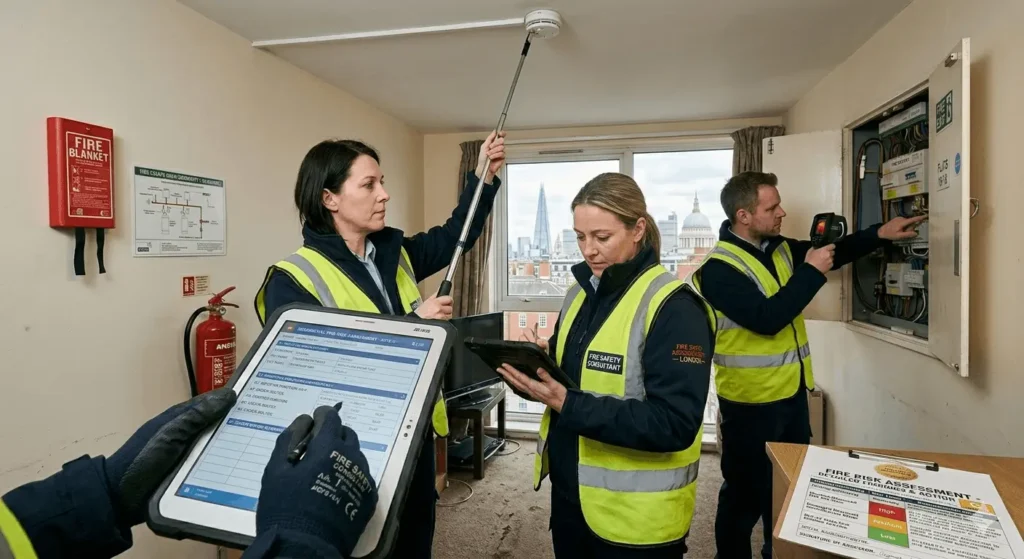
Keeping a building safe from fire is a vital task for any home, office, or shop. Fires can start in a second and hurt people or destroy the building. This is why having a Fire Safety Inspection plan is a must. A good plan helps you find dangers and look after your safety tools. It also makes sure that every person knows exactly what to do if a fire starts. This guide shows you how to make a strong and simple plan to keep everyone safe.
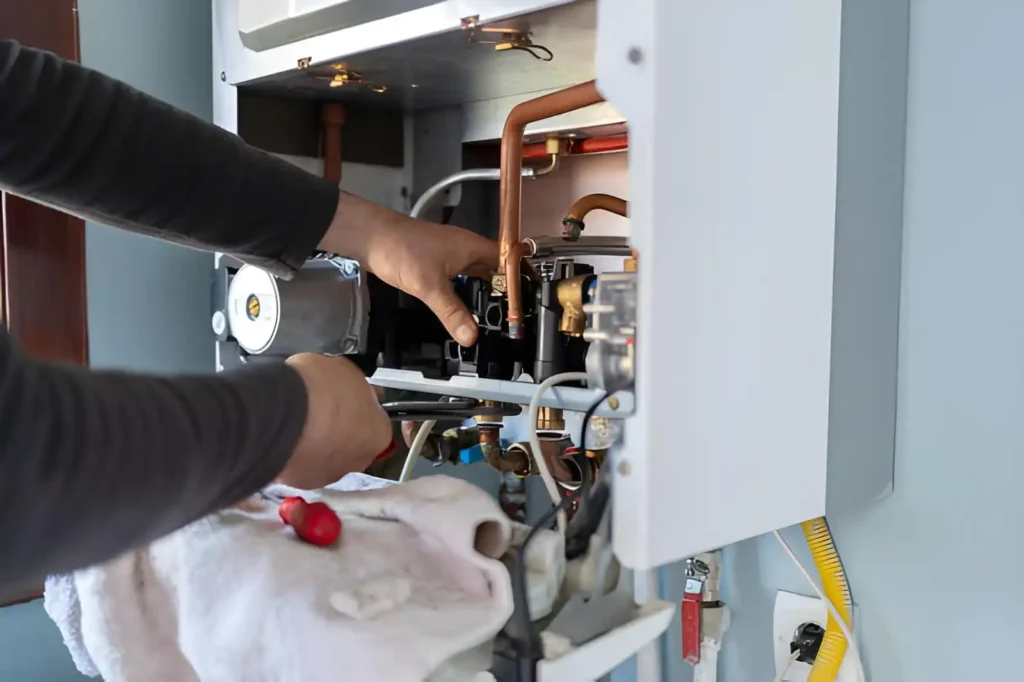
Main Goal of Fire Safety Inspection
A Fire Safety Inspection is a careful check of a building to find any fire risks. You look at things like fire alarms, the paths to the doors, and items that burn fast. You also check the plans for emergencies. The goal of this check is to protect lives and keep the building strong. When you have a clear plan, you can stop a fire before it begins. You also ensure that people know how to act fast if they see smoke or flames.
Why You Need a Fire Safety Inspection Plan
Many people believe that fire safety is only for big offices, but it is just as important for small homes. A Fire Safety Inspection plan is necessary because it protects lives. Finding a danger early stops people from getting hurt. It also protects your property. A fire can ruin your bed, your computer, and the walls of your house.
Following a plan also helps you follow the law. Many rules say you must do these checks and keep a record of them. Knowing your building is safe gives you a calm and happy mind. You can feel sure that the people you love or the people who work for you stay protected every day.
Steps to Create a Fire Safety Inspection Plan
Making a Fire Safety Inspection plan is not hard if you follow simple steps.
1. Identify Fire Hazards
The first step is to identify fire hazards. You must walk through the building and look for anything that could start a fire. Common hazards include broken wires or plugs that have too many things in them. Look for open flames from candles or stoves and liquids like cleaning chemicals. Check for messy areas with lots of paper or cloth that catch fire fast. Write down anything that looks like a risk.
2. Check Fire Safety Equipment
Make sure every tool runs properly. This covers heat sensors and smoke alarms with a loud beep. Fire blankets and fire extinguishers should also be checked. Think about those as well if your construction has sprinkler systems or emergency lights. Once the batteries begin to die, regularly inspect the alarms and replace them. Guarantee everyone has ready access to these resources.
Evaluate Escape Routes and Create a Checklist
The third step is to evaluate escape routes. You need a clear route outside during a fire. Every door and window used to leave the building should be inspected as part of your Fire Safety Inspection. Verify that fire doors remain shut and are functional. You should also have clear signs that show the way to the exit.
Create a fire safety checklist
A written list helps you stay organised so you do not forget anything. Your checklist should include all the tools you need to check and how often you will check them. It should also show who is responsible for the job. Keep a spot for notes so you can write down if you need to fix something. This list is great proof for insurance or the law.
Train Occupants and Schedule Regular Inspections
The fifth step is to train occupants. A Fire Safety Inspection plan only works if people know what to do. Every person should know how to use fire tools. They must know where the exit doors are and how to leave the building fast. Teach them how to call for help and where to meet outside. Regular practice drills help people stay calm and move safely during a real fire.
The sixth step is to schedule regular inspections. Fire safety is a job that never ends. You should do a quick check every day to make sure the exits are clear. Every month, you should test the smoke alarms and the lights. Once a year, you should have a professional look at the wires and the big tools. Being consistent stops small problems from turning into big disasters.
Document Findings and Update the Plan
The seventh step is to document findings and actions. One of the most crucial elements of a Fire Safety Inspection is writing down what you see. This record ought to include the dangers you saw as well as the date you resolved them. Additionally including the names of the individuals who performed the check will help. This lets you see how, over time, you are ensuring the structure.
Review and update the Plan
Buildings and tools change as time goes by. You should look at your Fire Safety Inspection plan often to make sure it still works. Update the plan if you buy new machines or fix the walls. If new people move into the house or start working at the office, change the plan to include them. This keeps your safety plan fresh and strong.
Benefits of a Fire Safety Inspection Plan
Following these steps brings many good wins. It helps with early hazard detection so you find risks before they cause a fire. It ensures every person is prepared and knows how to act in an emergency. It also meets the local fire rules so you stay out of trouble with the law. Most of all, it gives you peace of mind. You can feel confident that your building and the people inside stay safe.
Conclusion
Creating a Fire Safety Inspection plan is a smart and necessary step for every building. By finding hazards and checking your tools, you lower the risk of a fire. Training the people and doing regular checks makes a huge difference. Fire safety is a duty you must look after every day. With a good plan, you make sure your home or business is ready for anything. Taking action today ensures a safer tomorrow for everyone.