

Keeping a building safe from fire is a very big job for every owner and manager. Whether you look after a home, an office, or a shop, you must never ignore the danger of fire. A small mistake, like a broken wire or a stove left alone, can quickly turn into a scary situation. This is why you must perform a proper Fire Safety Risk Assessment.
A Fire Risk Assessment is a clear path that helps you find things that could start a fire. It assists you in assessing the threat and identifies strategies for building and human safety. In several locations, the legislation demands this of you. It’s also a wise approach to guarantee everyone remains secure and calm. This guide explains the steps you need to take to do a very good check.
Understanding the Purpose of a Fire Safety Risk Assessment
Before starting, you should know what the Fire Safety Risk Assessment is to accomplish. Stopping a fire from ever beginning is the top priority. Additionally, it guarantees everyone can exit to the street safely should a fire break out.
This check helps you find hazards that might cause a fire to begin. It helps you see which people might be in danger. You can use it to see how big the danger is and put safety tools in place. It also helps you look at your safety rules again later to keep them fresh. By following a clear method, you make your building much safer for every person inside.
Identify Fire Hazards
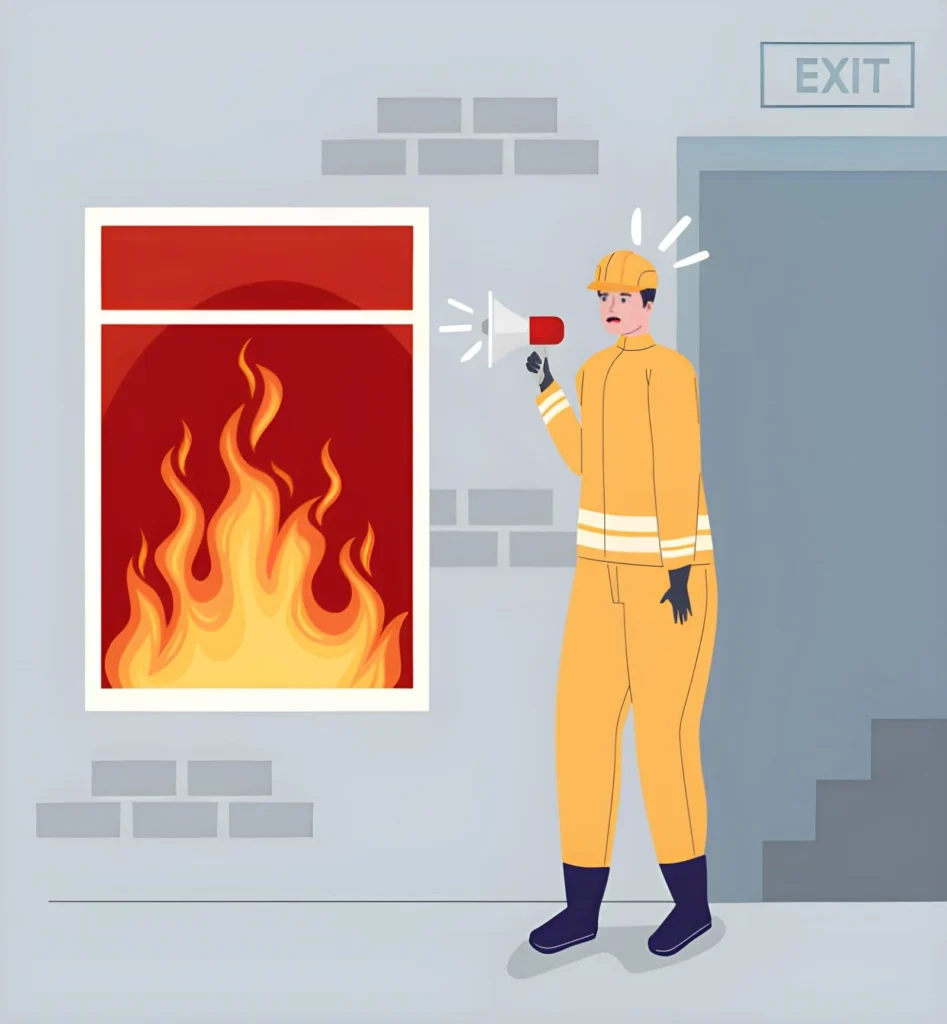
The first stage of any fire safety risk evaluation is to search for anything that could ignite a fire. Three sources normally present these dangers. These elements, burnable easily, generate heat, and the air we inhale. Every corner of the house should be thoroughly investigated by you. Look for heat-generating things among lighting, heaters, stoves, and cigarette products. Concurrently, look for fast-burning materials like paper, wood, cloth, or cleaning detergents. Observing how all these components work together is also vital. For instance, the risk is quite high if you set a stack of paper near to a hot heater. Early detection of these dangers lets you take easy measures to reduce the threat.
Identify People at Risk
After you find the hazards, you must see who might be in danger if a fire starts. A good Fire Safety Risk Assessment always thinks about protecting people first. Consider every user of the structure. This covers visitors as well as the residents and the employees.
Keep especially close eye on those who might need additional assistance to go quickly. This covers those who struggle to walk, young children, and seniors, as well as small children. Think about how people get to the door and where they spend most of their time. This phase makes sure that every single individual benefits from your safety plan.
Evaluate the Risks
Once you find the hazards and the people, you must see how serious the danger is. This step in the Fire Safety Risk Assessment helps you pick which problems you must fix right away. You should wonder if a room is most likely to start a fire. Consider also what would happen if it did.
A cluttered room with worn boxes and wires, for instance, is considerably more risky than a pristine, empty corridor. Choosing the most hazardous locations initially increases the value of your work. This enables you to concentrate your time on the areas most in need of assistance so you may remain secure.
Implement Fire Safety Measures
After you check the risks, you must take action to fix them. A Fire Safety Risk Assessment only works if you make real changes to keep people safe. Start by fixing any dangers you notice or moving them. Keep paper away from heaters, for instance, and mend any frayed wires you come across. Your equipment also requires attention for it to remain in top form.
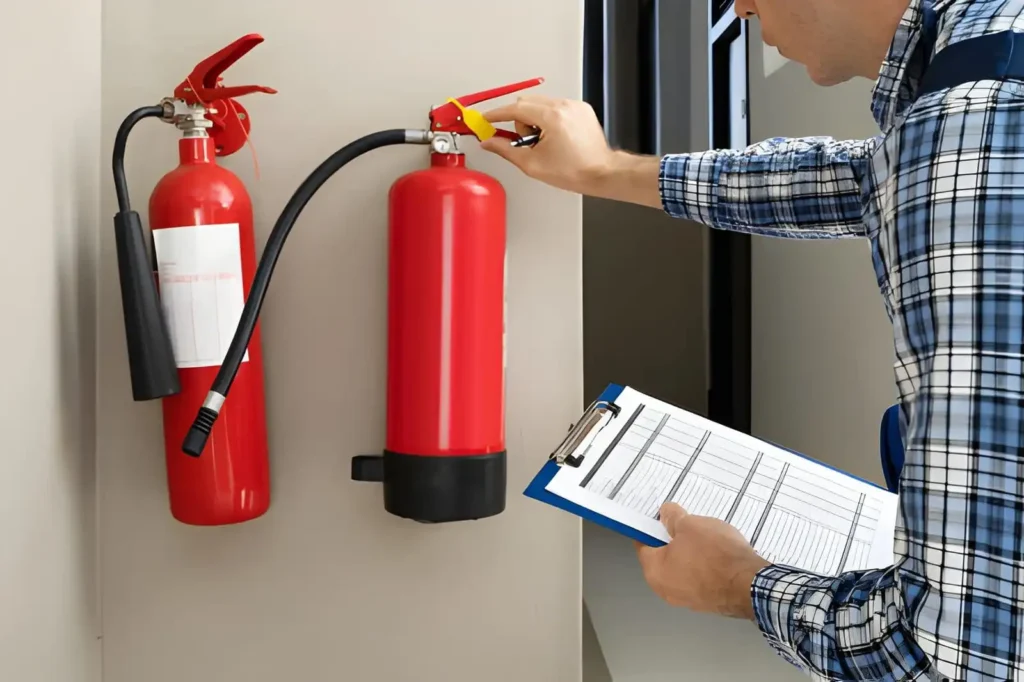
You ought to also include good safety equipment like fire extinguishers and smoke alarms. You should additionally install lights that activate in case the power go out. Ensure these tools are easily accessible for all and function flawlessly. Additionally, you have to make sure the routes to the exits remain open and have brilliant signs. Doors ought to open extremely quickly; you must not obstruct corridors with furniture or boxes.
Record Your Findings
Writing down what you find is a very important part of the Fire Safety Risk Assessment. When you write down the hazards and what you did to fix them, you keep a good record. A written record is very helpful for big buildings or shops. It proves that you took the right steps to keep people safe. This is also useful if a safety inspector comes to visit.
Your record should include a list of the hazards you found in the building. It should list the people who might need help. You should write down every action you took to lower the risk. Also, list the safety tools you put in place. Keeping clear records makes it much easier to look at your assessment again in the future.
Create an Emergency Plan
A strong Fire Safety Risk Assessment must have a clear plan for an emergency. This plan tells every person exactly what to do if a fire starts. Your plan should explain how to sound the alarm and how to leave the building. It should also show where everyone must meet outside.
The plan should also give jobs to different people. For example, pick one person to call for help and another to help the children. Make sure every person in the building knows this plan. You should practice fire drills often so everyone knows the rules. This helps people act quickly and stay calm if a real fire happens.
Train and Inform People
Fire safety includes the people inside in addition to the tools. A good fire safety risk Assessment ensures everyone is aware of their responsibilities. You should show individuals how to identify the alarm’s sound and how to operate a fire extinguisher. They should be aware of the most effective route to the exit.
You should give this information to new people who move in or start a job. When people have the right training, they are less likely to get scared. They will know the right way to act if a fire starts. Being prepared is the best way to keep everyone safe.
Review and Update the Assessment
A Fire Safety Risk Assessment is not a job you do only one time. Buildings and tools get old, and new people move in. This means the risks can change over time. You should look at your check at least once every year.
If you modify the building, you also have to change it. This covers painting, creating fresh rooms, or bringing in new tools. Periodic evaluations guarantee that your safety regulations continue to operate properly. As events evolve, it both updates your plan and shields everyone.
Common Mistakes to Avoid
When you do a Fire Safety Risk Assessment, some mistakes can make it less useful. If you ignore small hazards or fail to look after your tools, you might have a problem. Not training people in the right way is also a big mistake that can lead to danger.
Thinking you have finished after checking once is another often encountered difficulty. Fire safety calls your full attention all the time. Keep searching for fresh hazards and maintain your tools in great condition to guarantee the structure’s safety.
Conclusion
Doing a Fire Safety Risk Assessment is one of the most important things you can do to protect lives. You build a secure environment for every individual by identifying hazards and mitigating risks. This method need not be difficult to grasp. Following these precise measures will help you prevent fires and ensure everyone exits safely.
Act now; do not postpone action till an emergency arises. Start your Fire Safety Risk Assessment right away. Making safety your first concern safeguards your house, your business, and the people you love.