

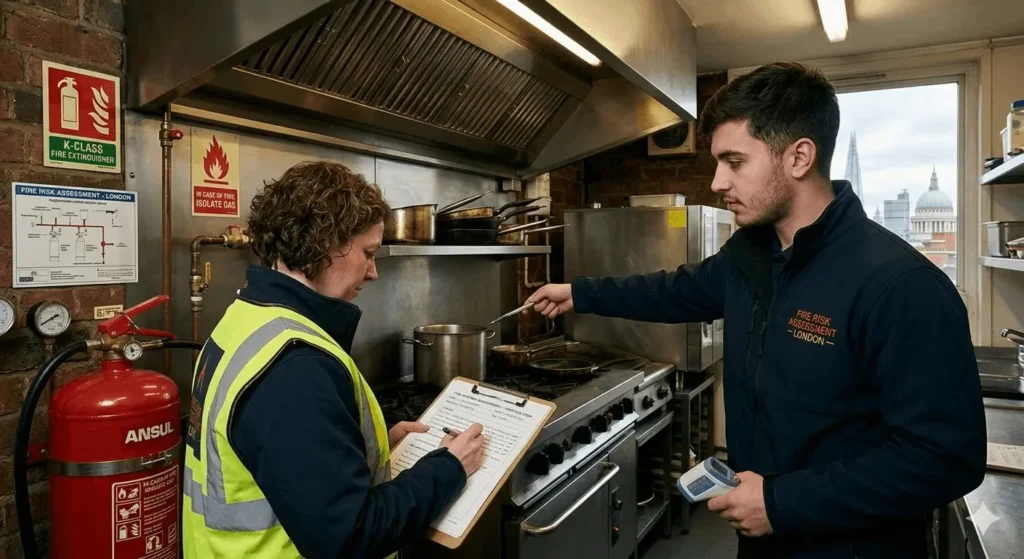
Loss of life and damage to buildings often follow uncontrolled fire incidents. Fires can be prevented by staying attentive when cooking, avoiding overloaded sockets, and keeping heaters away from fabrics. For more safety insights, visit our fire safety blog section.
Building Your First Line of Defence
Install smoke alarms on every floor and test them monthly. Plan two escape routes, keep exits clear, and close doors at night to slow the spread of fire.
Creating a Culture of Accountability
Working alarms and a clear plan are the best ways to protect lives and property. Fire and fire safety improve in safer environments when responsibilities receive regular attention and proper oversight. If you need expert help, explore our fire safety services in London.
Critical Safety Check: Key Takeaways
- Fires spread fast, and escape time is very short
- Smoke alarms save lives when tested every single month
- Closing doors at night slows the spread of fire and smoke
- Cooking should never be left alone in any situation
- Electrical sockets should never carry too many plugs
- Two escape routes should be known from every room
- Exit paths must stay clear to avoid blocked escape
- Stop, drop, and roll helps reduce the spread of fire on clothing
- Fire risk checks find dangers before any fire starts
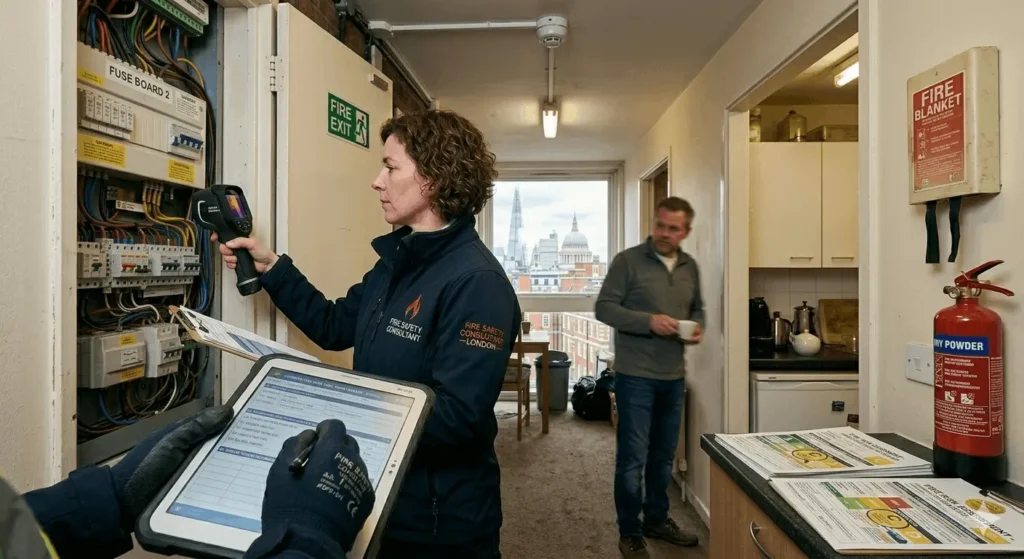
Why Fire and Fire Safety Are a Universal Necessity
Daily activities can create fire risks at home and shared places, and electrical items, cooking habits, and poor storage can increase danger. Simple awareness can help prevent careless mistakes, and people who understand safety rules react faster when alarms sound.
Empowering Occupants with Knowledge
Clear guidance helps reduce injuries during emergencies. Fire and fire safety help protect people, visitors, and nearby property.
Real-World Dangers You Cannot Ignore
Rapid Fire Spread Risks
Fires spread in under 2 minutes: you often don’t have time to react without planning
Night-Time Fire Hazards
Most fatal fires happen at night: working smoke alarms wake you when you’re most vulnerable
Shared Property Risks
One unsafe home puts others at risk, especially in flats and terraced houses in London.
Emergency Service Pressure
London firefighters attend up to 100+ fires every day: prevention reduces strain on emergency services
Financial and Legal Foundations
Protects lives and property: Smoke and fire loss can make homes instantly uninhabitable
Landlord/Employer Legal Responsibilities: Failure to comply with safety requirements can lead to fines, prosecution, and put tenants’ lives at risk
Blocked routes make escape difficult: blocked halls or wedged fire doors can trap people in an emergency.
The Strategic Power of a Fire Risk Assessment
A fire risk assessment identifies risks that could cause a fire. A fire risk assessor checks appliances and identifies who could be injured, including the young or elderly. They also inspect smoke detectors, fire doors, and walkways to ensure everything is in place.
Meeting UK Statutory Standards
In the UK, landlords and agencies must achieve this through regulation. It provides a handy list of repairs that make a building safer. Without it, small problems can become big fires. You can review official guidance on workplace fire safety responsibilities.
Proactive Habits for a Fire-Free Home
Cooking and Electrical Safety
Cooking safety: Stay in the kitchen while frying or grilling. Wipe up oil spills and move cloths away from the stove. Keep your cooker hood clean.
Plugs & wires: Use one plug per socket. Look for damage on cords and plugs. Switch off and unplug things like hair straighteners and chargers when finished.
Detection and Containment
Alarms that work: Put a smoke alarm on each level of your home. Press the test button every month. Use alarms with 10-year batteries so you don’t forget.
Shut doors at bedtime: A closed bedroom or living room door blocks smoke and gives you more time to escape.
Heat and Space Management
Heat sources: Keep portable heaters 1m from anything that can burn. Blow out candles before leaving a room or sleeping. Never dry clothes on heaters.
Clear exits: Don’t store bikes or shoes in halls or by doors. Keep window and door keys where everyone can grab them fast.
Personal Habits and Outdoor Rules
Safe smoking: Try to smoke outdoors and never smoke when tired or in bed. Fill ashtrays with sand or water to kill embers.
Appliance care: Empty the fluff from your dryer before each use. Only run washers and dryers when you’re home and awake.
Balcony rules: Don’t use BBQs on flats or balconies. Store gas bottles outside, away from doors and drains.
Establishing a Master Plan
Have a fire plan: Work out two exits from each room with your family. Walk through it and pick a safe meeting spot outside.
Professional Compliance for Workplaces and Shared Spaces
Work environments present varied fire risks due to equipment and occupancy levels. Structured review supports duty holders and responsible persons, and documented findings guide corrective action and future planning.
Maintaining Reliable Safety Records
Records also include inspections and audits. A clear fire risk assessment report strengthens accountability and Fire and fire safety standards across workplaces and shared buildings.
Strengthening Your Building with Early Detection Systems
Early warning systems provide vital response time during incidents. Audible alerts prompt evacuation and emergency action. Regular testing ensures reliability and coverage.
Advanced System Integration
Integration with lighting improves visibility during escape. Fault response prevents system failure. Effective systems ensure fire safety compliance and strengthen fire protection across buildings.
Survival Tactics: Acting Fast During an Emergency
Clear instructions help people act without panic during a fire emergency because confusion often leads to injury and delay. The alarm sounds signal the need to leave the area at once and move toward the nearest safe exit without stopping.
Safe Evacuation Procedures
Calm movement helps prevent pushing and falling, which can cause harm in crowded spaces. Emergency lighting supports safe movement when smoke or darkness reduces visibility.
Accountability and Drills
Assembly areas allow responsible staff to check that everyone has exited safely. Regular training helps people remember actions under stress, and fire safety remains stronger when preparation supports quick and correct responses.
Emergency Response Overview
Aspect | Purpose |
Fire alarms | Early warning |
Emergency lighting | Safe evacuation |
Fire doors | Smoke control |
Training records | Prepared response |
Fire and fire safety | Overall protection |
Defensive Measures to Preserve Property Value
Property safety improves when simple actions stay consistent and clear. Regular inspections help alarms, doors, and light fixtures work when danger appears.
Early Defect Identification
Initial inspections can identify defects before serious damage begins. Clear exits allow quick escape in an emergency, and calm movement helps reduce harm during incidents. Fire and fire safety protect people, buildings, and long-term property value.
Final Thoughts: Committing to Constant Improvement
Effective prevention helps reduce harm and limits damage when safety steps are in place and followed correctly. Planning, assessment, and maintenance help create safer environments.
Sustaining Long-Term Protection
Regular review keeps protection strong over time. Detection systems, training, and records work together to reduce risk and improve response during emergencies. Continuous improvement protects people and property. Fire and fire safety remain important in every stage of property management.