

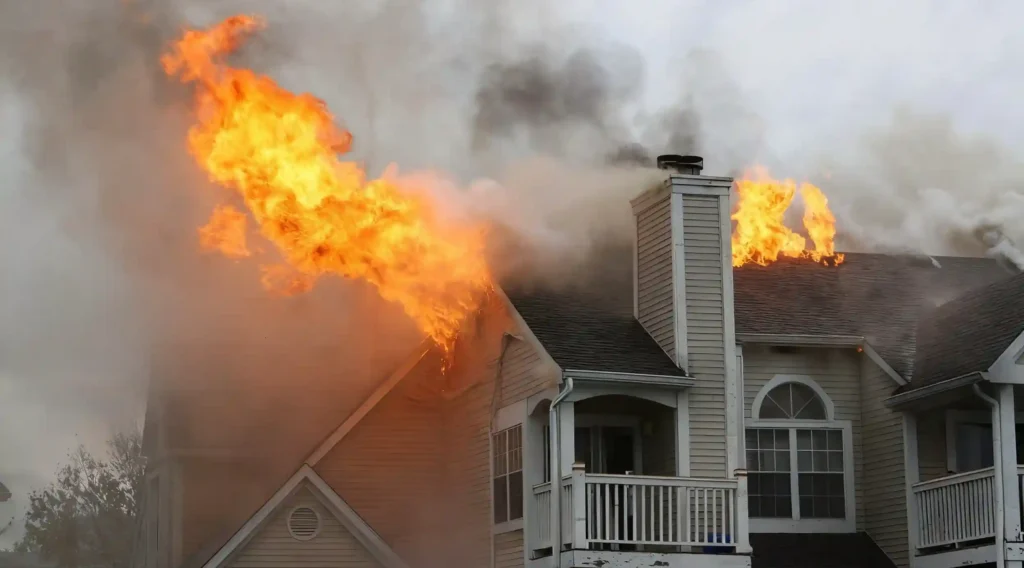
Shared living properties present a higher level of fire risk because multiple occupants rely on safe escape routes, effective fire detection systems, and well-maintained safety measures. Landlords and responsible persons have a legal duty to ensure that the property complies with UK fire safety regulations at all times. Fire and safety certification demonstrates that fire protection measures meet current legal standards and remain suitable for shared accommodation. Regulatory authorities also require documented evidence that fire risks are assessed regularly and any identified issues are addressed promptly. Clearly maintained fire safety equipment, emergency signage, and evacuation procedures help improve occupant awareness and preparedness. Regular fire safety inspections ensure that alarms, emergency lighting, fire doors, and escape routes remain fully operational, helping to protect residents while supporting ongoing legal compliance.
Key Takeaways
- Shared homes require a higher standard of fire safety management.
- More occupants increase the potential impact of a fire incident.
- Clear and protected escape routes improve evacuation safety.
- Regular inspections help prevent compliance issues.
- Well-maintained fire safety systems increase tenant confidence.
- Accurate records simplify inspections and regulatory reviews.
- Early action reduces the risk of penalties and enforcement notices.
- Shared areas require stronger fire protection than private homes.
- Well-informed occupants respond more effectively during emergencies.
- Consistent fire safety management reflects responsible property ownership.
Why Fire Safety Regulations Are Stricter for HMOs in the UK
Fire safety regulations are stricter for Houses in Multiple Occupation (HMOs) because several unrelated people live within the same property. A single fire can affect multiple households simultaneously, making effective fire prevention and emergency planning essential.
Higher Occupancy Creates Greater Fire Risk
Multiple households living in one property increase the likelihood of fire incidents and make safe evacuation more challenging.
Complex Escape Routes Require Better Protection
Shared homes often include locked bedrooms, shared corridors, and stairwells, making protected and unobstructed escape routes essential.
Increased Fire Hazards from Multiple Appliances
The use of multiple electrical appliances, cooking equipment, and charging devices significantly increases the overall risk of fire.
Sleeping Occupants Need Early Fire Detection
Fires that occur during the night are especially dangerous because occupants may be asleep. Reliable fire alarm systems provide early warning and improve evacuation times.
Fire Safety for Vulnerable or Short-Term Tenants
Some occupants may be unfamiliar with the property’s fire procedures. Clear signage, emergency instructions, and properly maintained equipment help improve emergency response.
Legal Fire Safety Requirements for HMOs
HMOs are subject to stricter legal requirements, including licensing conditions and compliance with UK fire safety legislation.
Landlord Responsibility for Fire Safety Compliance
The landlord or responsible property manager is legally responsible for ensuring that all fire safety systems are regularly inspected, maintained, and fully operational.
How to Get Fire and Safety Certification for Your HMO
Obtaining fire and safety certification follows a structured assessment process designed to demonstrate compliance with UK fire safety regulations. Before the inspection begins, the property’s layout, occupancy level, and existing fire protection measures are carefully reviewed. These factors determine the scope of the fire risk assessment.
A qualified assessor evaluates potential fire hazards, escape routes, fire detection systems, emergency lighting, fire doors, and other protective measures. The assessment report highlights existing strengths while identifying any improvements required before certification can be completed.
Keep Fire Safety Documentation Up to Date
Landlords should ensure that all fire safety records are organised and readily available for inspections, audits, and regulatory reviews. Preparation should include maintaining clear escape routes, testing fire alarms, servicing emergency lighting, and keeping maintenance logs up to date. UK fire safety guidance encourages proactive risk assessments rather than waiting until problems arise. Regular inspections help confirm that alarms, emergency lighting, fire extinguishers, and other safety equipment remain fully operational and compliant.
Cost of Fire and Safety Certification for HMOs in the UK
The cost of fire and safety certification varies depending on several factors, including the property’s size, layout, occupancy level, and the scope of the required fire risk assessment. Larger or more complex HMOs generally require more detailed inspections, which can increase the overall cost.
Authorities focus on compliance with fire safety regulations, the effectiveness of protective measures, and the accuracy of supporting documentation. Preparing the property before the inspection and maintaining accurate records can help reduce delays, minimise repeat inspections, and improve the certification process. For an accurate quotation, landlords should consult a qualified fire safety professional.
Property Type | Inspection Scope | Estimated Price |
Small HMO | Basic safety checks | £150 – £300 |
Medium HMO | Full shared areas | £300 – £600 |
Large HMO | Multi-floor detailed | £600 – £1,200 |
Converted Property | Structural and fire safety | £500 – £900 |
High Occupancy HMO | Full risk assessment | £800 – £1,500 |
Essential Fire Safety Upgrades Every HMO Landlord Should Make
Preventive fire safety measures help reduce the likelihood of fire and minimise damage during an emergency. Fire detection systems should provide reliable coverage throughout every floor of the property to ensure occupants receive early warning. Emergency lighting helps residents evacuate safely during power failures, while certified fire doors and compartmentation slow the spread of smoke and flames, protecting escape routes. Clearly displayed fire safety signage supports safe evacuation, and routine maintenance ensures all safety systems remain reliable. Keeping records of inspections and upgrades also supports regulatory compliance and insurance requirements.
Why Insurance Providers Require Fire Safety Certification for HMOs
Insurance providers carefully assess fire risks before offering or renewing cover for HMOs. Fire and safety certification demonstrates that appropriate fire protection measures have been implemented and are being properly maintained. Insurers rely on inspection reports and maintenance records to verify compliance with fire safety standards. Missing or outdated documentation can delay claims, increase premiums, or affect policy terms. Maintaining current certification helps simplify insurance assessments while demonstrating responsible property management.
Best Fire Safety Planning Tips for Multi-Occupancy Properties
Get a Professional HMO Fire Risk Assessment
A professional fire risk assessment identifies potential hazards, evaluates escape routes, and recommends practical safety improvements. Assessments should be reviewed regularly and whenever significant changes are made to the property.
Install an LD2 Interlinked Fire Alarm System
Interlinked smoke and heat alarms ensure that when one alarm is triggered, every alarm throughout the property activates simultaneously, giving occupants the earliest possible warning.
Install 30-Minute Fire Doors Along Escape Routes
Certified fire doors help slow the spread of smoke and flames, giving occupants additional time to evacuate safely through protected escape routes.
Keep Escape Routes Clear and Well Lit
Hallways, staircases, and emergency exits should remain free from obstructions at all times. Emergency lighting provides safe guidance during power failures or smoke-filled conditions.
Provide Suitable Fire Extinguishers
Install appropriate fire extinguishers in key locations to support an initial response to small fires while always prioritising safe evacuation.
Display Clear Fire Safety Signage
Clearly displayed fire action notices, exit signs, and emergency instructions help occupants respond quickly and safely during an emergency.
Reduce Fire Hazards and Ignition Sources
Regular electrical inspections, safe appliance use, responsible charging practices, and smoking restrictions significantly reduce common fire hazards.
Maintain Fire Safety Records and Communicate with Tenants
Maintain accurate inspection records, maintenance logs, and testing schedules. Landlords should also ensure tenants understand fire safety procedures, evacuation plans, and any updates to the property’s fire safety arrangements.
Frequently Asked Questions
What is the purpose of fire safety checks?
Who is responsible for HMO fire safety compliance?
Why should fire safety systems be monitored regularly?
Which areas require regular fire safety inspections?
What happens if an HMO fails fire safety requirements?
Conclusion: Stay Compliant with Fire and Safety Certification for HMOs
Managing an HMO requires continuous attention to fire safety, legal compliance, and accurate documentation. Fire and safety certification plays a vital role in protecting occupants, reducing fire risks, and helping landlords meet their legal responsibilities. Regular fire risk assessments, routine maintenance, and up-to-date records enable potential hazards to be identified and resolved before they become serious safety concerns. Working with qualified fire safety professionals helps ensure your property remains compliant with UK regulations while providing a safer living environment for residents and supporting ongoing insurance requirements.