

Maintaining a safe building is a top priority for any property owner or manager. A professional fire risk assessment report sets out a clear plan to reduce danger and improve how you handle emergencies. Staying compliant with safety rules helps you follow the law and gives you more confidence in your daily operations. This process helps you find risks, check who is in the building, and plan how to keep them safe.
When you apply these steps consistently, you ensure safer evacuations and make it clear who is responsible for safety tasks. Many accidents happen because of poor planning or old information, but a structured report stops these gaps from forming. Formal records also help you gain the trust of insurance companies and stay ready for official inspectors. Regular attention to these details creates a strong safety culture within your team. Clear papers strengthen your oversight and show you are accountable. A solid report is the foundation of good fire safety for any type of property.
Key Takeaways
- Clear safety planning keeps your daily work running smoothly.
- Regular reviews make sure your safety plan matches real-life changes.
- Defined responsibility makes everyone more accountable.
- Accurate records help you feel ready during surprise inspections.
- Competent assessments lead to much better safety choices.
- Practical controls lower the chance of a fire ever starting.
- Staff awareness helps everyone stay calm if an alarm goes off.
- Consistent oversight keeps your safety rules active every day.
- Structured management gives your insurance provider peace of mind.
- Active leadership keeps the safety culture strong for the long term.
Assigning Leadership and Finding Experts
Identifying Responsible Personnel
A fire risk assessment report identifies exactly who is in charge of safety duties. Having the right skills is the key to a successful assessment and a good action plan. You might choose a trained person from your own team or hire an outside specialist to do the review. The choice usually depends on how large or complex your building is.
Staying Involved After Assessment
You must feel confident that the person doing the check knows what they are doing. Management must stay involved even after the report is finished. Taking ownership of the needed actions is what truly improves safety. Delegating tasks clearly ensures that safety fixes happen on time. Checking these skills regularly keeps your plan accurate as your business changes.
Keeping Your Compliance Records Accurate
Importance of Perfect Documentation
A high-quality fire risk assessment report depends on having perfect records. Your documentation proves that the assessment actually happened and shows how you are tracking your progress.
What Inspectors Look For
When inspectors visit, they look at your files and compare them to what they see in the building. You should keep your files clear, up-to-date, and easy to find. These records usually list what the inspector found, what needs to be fixed, who is doing the work, and when the next check is due.
Certificates and Formal Proof
A fire risk assessment certificate acts as a formal badge that shows you have met the required standards. Store your papers in a way that lets you grab them quickly during a visit. Being open and easy to track are very important traits. Keeping your records in good shape shows you are committed to safe management.
Managing Change with Regular Reviews
Updating Reports When Buildings Change
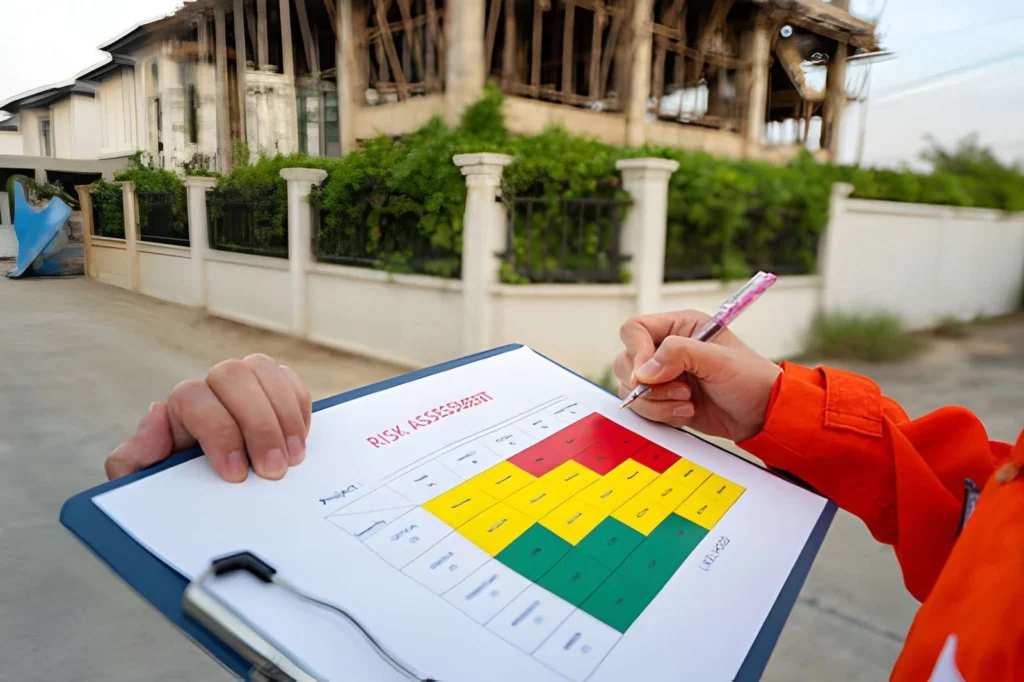
You must update your fire risk assessment report whenever your building changes. If you move walls around, change how you use a room, or have more people moving in, you need a new check. If a small accident happens, that should also trigger a review.
Maintaining a Living Report
Scheduling regular checks helps you stay ahead of problems. If a document just sits on a shelf for years, it loses its value. A “living” report reflects the way your building looks right now. Authorities want to see that you think about safety often, not just once every few years.
Having a mindset of “always getting better” helps you refine your safety tools. The results of these reviews guide you in updating your daily rules. Staying consistent with reviews makes you more prepared and stops safety gaps from opening up.
Focus on People and Safety Awareness
Team Behaviour and Training
The best fire risk assessment report focuses heavily on how people behave. How well your team reacts depends on their training and awareness. Clear rules help everyone stay calm during an evacuation. Using simple communication and repeating safety tips often helps everyone understand the plan.
Planning for Everyone
Signs and loud alarms help point people in the right direction. When leaders take safety seriously, the whole team follows along. You must also think about people who might need extra help moving or those who don’t know the building well. Planning for everyone makes the outcome much safer. Having clear procedures stops confusion if a real incident ever occurs.
Installing the Right Safety Tools
Selecting Effective Measures
Your fire risk assessment report guides you in choosing the best safety measures. These tools focus on stopping fires from starting, making sure alarms are reliable, and helping people escape.
Maintaining Tools Properly
Regular maintenance keeps these tools working as they should. It is vital that what is written in your report matches what is actually installed in your building. Gaps between the plan and reality can put people in danger. Managers must watch over the work to make sure every safety task gets finished. You should fix the most dangerous risks first. Checking these tools often proves that they are performing well. Daily discipline keeps you in line with safety laws.
Staying Ready for Official Inspections
Preparing Your Property
A professional fire risk assessment report prepares your property for any official visit. Inspectors will check to see if your written plan matches the reality of your building.
Building Trust and Efficiency
When your files match your building, it builds trust, and visits go much faster. Being prepared includes doing your own internal checks and making sure your staff knows the rules. Knowing your own procedures makes the inspection flow smoothly. Fixing any noted issues quickly leads to much better results. Being ready shows that your management is mature and professional. This alignment leads to positive results and keeps your reputation strong.
The Big Picture Value of a Good Report
Strategic Importance
A fire risk assessment report does more than just tick a legal box. Using it as a strategic tool helps protect your building and keeps your business running without interruptions. Insurance companies love to see organised risk management. When stakeholders see you are committed to safety, their confidence in you grows.
Cost vs Benefit
A clear plan shows you are responsible and that you care about your people. While you might think about the cost of an assessment during the planning stages, talking directly to pros helps clarify what you need without complicating things. Making safety a part of your daily management makes your entire business more resilient.
Strong Governance and Long-Term Safety
Daily Safety Focus
Safety should be a constant focus for any management team. Paying attention every day embeds safety into the company culture. When leaders are committed, the whole team stays consistent. Being proactive means you see problems coming before they happen.
Certificates and Compliance
Regular check-ins keep everyone accountable and aware. While safety laws continue to change, having a solid fire risk assessment report ensures you are following best practices. Your certificate remains a visible sign that you have done your due diligence. Clear processes and active watching keep you safe throughout the entire life of your property.
Making Safety Part of Your Daily Routine
Integrating Safety into Daily Work
A fire risk assessment report is useful for more than just formal meetings. Your daily work is better when safety steps are part of your normal routine. Regularly checking that exit paths are clear and that alarms are ready ensures you are always prepared.
Coordinating Teams
Use clear methods to help your workers and guests know how to act in an emergency. Short training sessions can build skills without stopping your work. Having clear ways for people to report a risk or a broken alarm helps you fix things fast. You can match safety checks with your normal work schedule to avoid interruptions. Keeping a close eye on your safety tools ensures they stay powerful over time. These daily habits also help you coordinate better with your maintenance and cleaning teams what you see every day should go right back into your next report.
Conclusion
A fire risk assessment report provides a clear safety path for any managed building. A simple, clear structure helps you control risks and makes your rules easy to follow. Using written records and regular reviews makes everyone more accountable. Staying up-to-date ensures you are always ready for an inspection and that your management is stable. While safety laws set the standard, your report is what puts those rules into action.
Having a recognised certificate proves that you are taking the right steps. As your building changes, your oversight must change with it to stay relevant. When leaders stay committed, the whole team stays safe. A continued focus on these details builds a resilient, confident, and lawful business.