

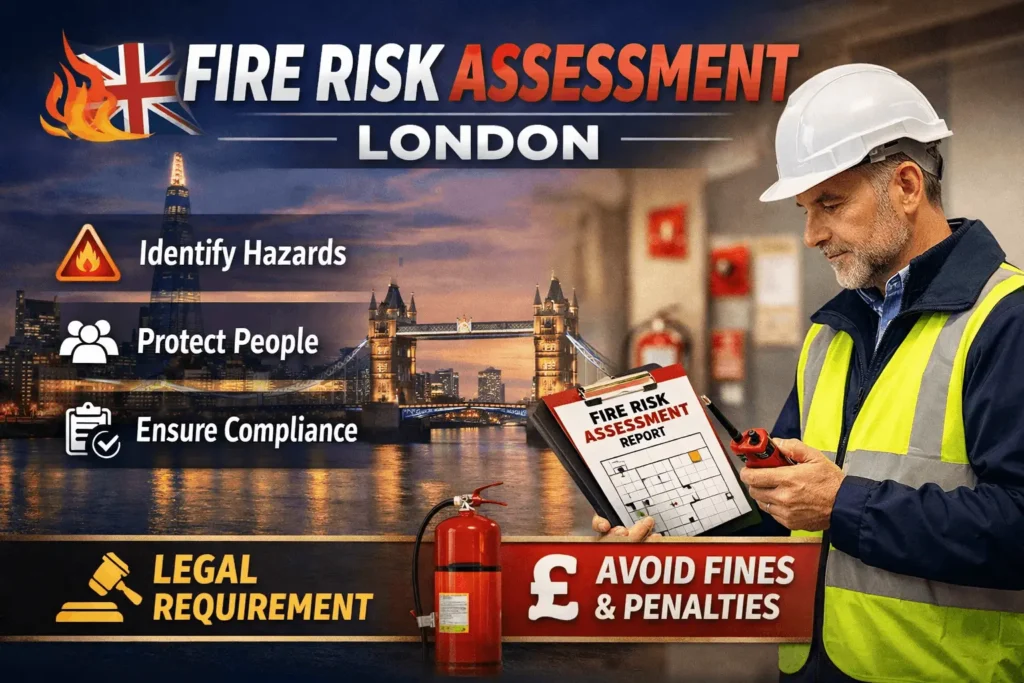
Control measures for a Residential Fire Risk Assessment help keep your home safe for everyone. They also lower the risks that come with broken or old safety equipment. Doing regular checks and keeping your safety gear in good repair stops accidents and damage before they start. This makes the living area much safer for every family member. Experts who perform these assessments use special tools and checklists to find fire problems early.
Each part of the evaluation plays a big part in checking smoke alarms, exit paths, and electrical sockets. This helps make sure your home is ready for daily life. Advanced assessment steps give accurate results that follow modern safety rules. Families that use clear safety measures can live well, have fewer worries, and stay protected. Keeping a close watch, writing down what you find, and following safety steps are the building blocks of a great home plan. This helps make sure your Residential Fire Risk Assessment works right, and dangers stay low.
Key Takeaways
- Frequent checks keep your safety devices functioning correctly.
- Repairs and servicing prevent unexpected breakdowns of alarms.
- Monitoring cables and plugs avoids potential fire hazards.
- Systematic evaluation supports following local safety laws.
- Defective equipment must be taken out of use or replaced promptly.
- Maintaining logs helps track your past inspections and actions.
- Managing electrical load reduces the risk of wires overheating.
- Awareness programs improve how your family handles fire faults.
- Quick action limits damage during equipment or system failures.
- Routine upkeep preserves the performance and reliability of fire doors.
Electrical Load Management and Safety Practices
Managing your home’s electrical load well makes sure every appliance works within safe limits. It also stops your circuits from getting too full, which could cause a major fire danger. Planning how you use your devices cuts down the stress on your power systems. It also helps all your gadgets work well together without tripping the breakers. Regular checks and watching for signs of wear, damage, or too much power use allow for quick fixes.
Using safety steps like plugging things in correctly and keeping high-power devices like heaters apart lowers risk and makes your electronics last longer. Every part of a Residential Fire Risk Assessment works better with good energy management. This keeps your home safe while the power is on. When everyone in the house knows what to do, checks are done on time, and maker guidelines are followed, overall safety improves. Families that focus on electrical load management have fewer power problems. They protect their buildings and create a safe place where every device works well without unexpected dangers.
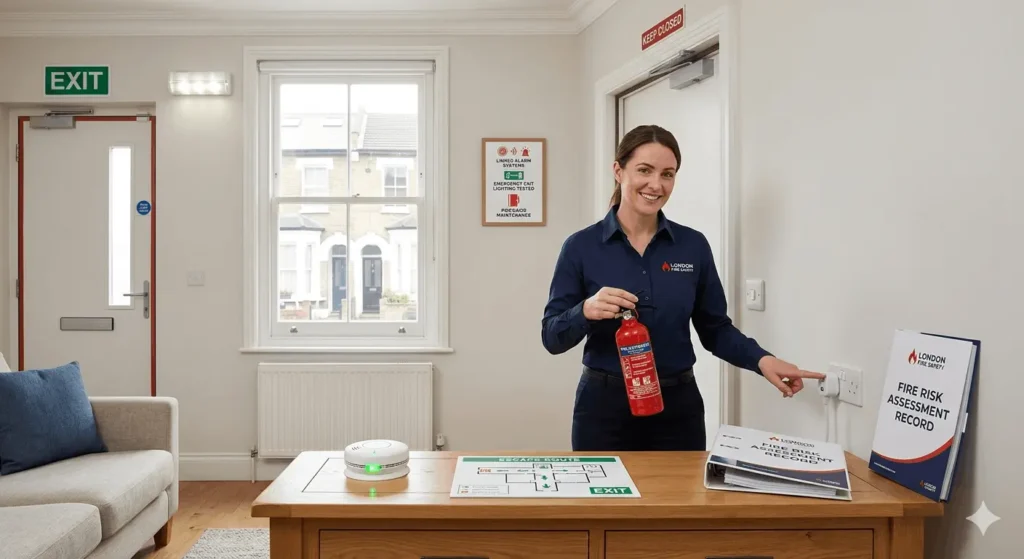
Preventing Overheating and Electrical Overload
Overheating and electrical overload are big risks that a Residential Fire Risk Assessment aims to stop. They can cause permanent damage or create deadly safety dangers. Using your devices with care and spreading out your power use lowers the stress on your home’s circuits. This helps your appliances run without any problems. Experts use advanced tools and thermal cameras to check electrical readings and find hot spots.
Scheduling Regular Residential Fire Risk Assessment
Regular Residential Fire Risk Assessments are critical for keeping every part of your home safe and running properly. Doing assessments on a set schedule allows you to find early signs of wear, damage, or electrical faults. This stops them from turning into bigger dangers, like a house fire. Planning checks at regular times makes sure each smoke detector and fire extinguisher keeps working safely. This keeps safety standards high for all your equipment.
Trained workers or careful homeowners using approved testing steps check insulation, continuity, and how the devices work. Writing down each check creates a record that helps with making good choices and being responsible. Proper upkeep, like fixing or changing damaged components, facilitates your home equipment lasting longer. It additionally lowers the threat of surprising failures. Families that use a set testing schedule create a controlled space where devices work well, dangers are small, and safety is always the main focus.
Emergency Response Procedures for Faults
Taking fast and effective action during a fault is very important for protecting both your family and your home. Clear steps make sure broken or unsafe devices are unplugged right away. This stops possible shocks, fires, or power problems. When everyone in the house recognizes what to do, like turning off the power and telling a person about the problem, it facilitates staying safe. It additionally stops an extra chance of the problem spreading.
Regular drills and going over emergency steps make certain people are prepared for any electrical or fire trouble. Keeping certain notes on faults, checks, and fixes facilitates planning the way to prevent troubles in the future. Following emergency steps in the same manner every time helps maintain your Residential Fire Risk Assessment as a living document. This keeps your home running well and reliably. Adding these practices to daily routines helps build a safety culture. It also creates smart risk management, so faults are handled fast and well whenever they happen.
Conclusion
Keeping your home safe and working well requires steady attention, Residential Fire Risk Assessment checks, and smart management. Testing on a schedule, keeping things in good repair, and following safety steps lowers your risks. This helps your home stay reliable in any situation. Using special tools and trained workers helps with accurate checks and good control of your property. Writing down what is found and keeping an eye on things builds responsibility and makes a safer way of living. By making these practices a priority, the dangers tied to broken or overloaded devices drop by a lot.