

Keeping a home safe is a top duty for any property owner or landlord. Fire is a major danger in places where people live. Even a tiny mistake can cause big harm to the building or the people inside. This is why doing a residential fire risk assessment is not just a good suggestion. It is a vital step to keep everyone and the property safe.
Understanding the Purpose of This Guide
In this guide, you will find out what a residential fire risk assessment is and why it is so important. You will learn what the check includes and how it works with electricity rules. We use very simple words so that everyone can understand how to stay safe.
What is a Residential Fire Risk Assessment?
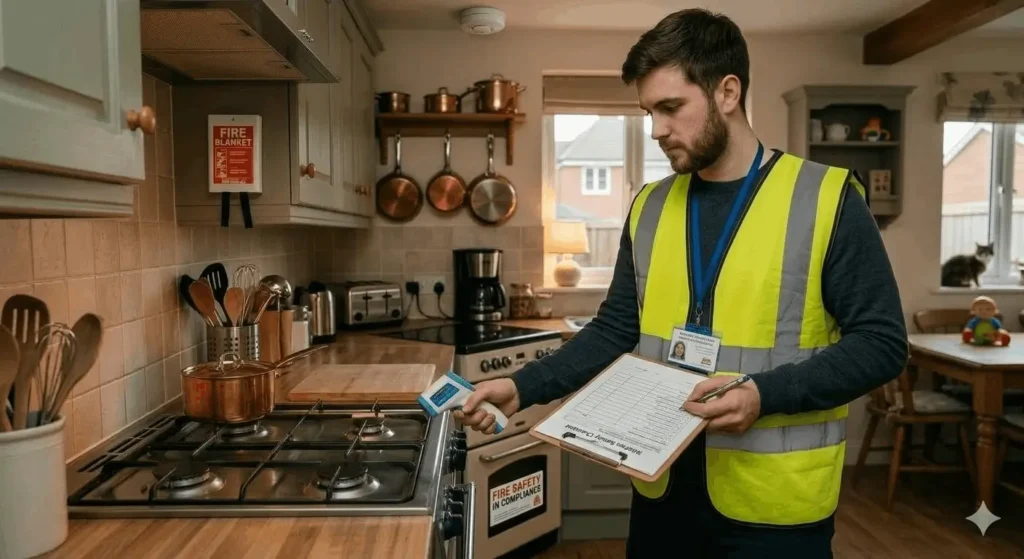
A thorough inspection of a house to identify fire hazards is called a residential fire risk assessment. Its main goal is to reduce the possibility of a fire occurring. The check looks for anything that might start a fire. Furthermore, ensuring the building’s safety for those who live there.
Main Safety Goals
The main goal is to stop fires before they start. It also makes sure people can get out of the house fast if a fire does occur. This involves checking the paths to the doors, the smoke alarms, the wires, and the safety tools.
Who Needs This Assessment
Doing a residential fire risk assessment is very important for landlords and people who run big apartment buildings. It is a must for places where many people live together.
Why is a Residential Fire Risk Assessment Important?
No one should ignore fire safety. A proper residential fire risk assessment helps in many ways.
First, it saves lives. Fires move very fast. If there is no plan, people might not have enough time to run outside. A good check makes sure safety tools are ready to help.
Legal Importance
Second, it helps follow the law. In many towns, landlords must do these fire checks to meet official safety rules.
Property Protection
Third, it keeps the house safe. Fire can burn up beds, clothes, and toys. Finding a risk early helps stop damage and saves money on repairs.
Peace of Mind for Residents
Finally, it makes people feel happy and calm. Knowing a home is safe helps residents feel much more comfortable.
Key Steps in a Residential Fire Risk Assessment
A residential fire risk assessment follows a clear path so that no one misses a thing.
The first step is finding fire hazards. This means looking for broken wires, too many plugs in one socket, or heaters near paper. Kitchens are very important to check because cooking often starts fires.
Step 1: Identify People at Risk
The second step is finding people who might be in danger. This means everyone in the house. It includes children, old people, and those who have a hard time moving and might need extra help.
Step 2: Evaluate Risks and Take Action
Step three entails risk analysis and appropriate action. This may entail confirming the hallway is clear, installing a new smoke alarm, or replacing a cable.
Step 3: Record Findings
The fourth step is writing down what you find. Keeping notes helps you remember the risks and what you fixed. It also proves that you are doing your job to keep the home safe.
Step 4: Review and Update
The final step is checking the plan again later. Houses change over time, so it is important to keep the check up to date.
The Role of Electrical Safety in Fire Risk Assessment
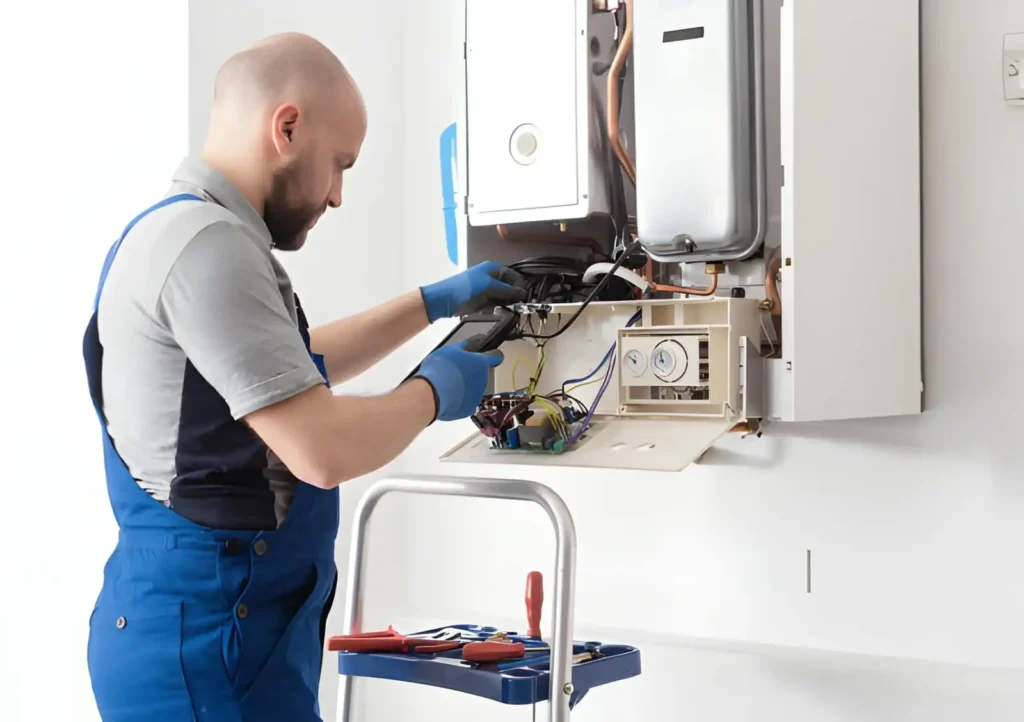
Wires and plugs play a huge part in fire safety. Many fires in homes start because of old wires, broken tools, or too much power in one spot. This is why Electrical Safety Inspection London is so important.
Benefits of Electrical Inspection
An electrical check looks at the wires and sockets to make sure they are okay. It finds problems that you cannot see just by looking at the walls.
Combined Safety Approach
Joining a residential fire risk assessment with an electrical check gives a full picture of safety. It makes sure that fire risks and wire risks are both handled well.
Preventing Electrical Hazards
For example, if a check finds old wires, you can fix them before they cause a spark. This keeps the home safe and stops expensive damage later.
What is Included in a Fire Risk Assessment Report?
After the check is done, a person writes a report. This paper is very important. It explains how safe the building is and points out any dangers.
Key Contents of the Report
The report usually lists every fire hazard found in the home. It says who might be at risk and what tools are already there to help. It also gives clear tips on how to make things even safer.
Emergency Planning Details
Escape plans are a big part of the report, too. These plans show the best way to run out of the building. The report might also talk about fire bells and tools to put out small fires.
Importance of Compliance
This paper helps the owner take the right steps to stay safe and follow the rules.
Common Fire Risks in Residential Buildings
Homes can have many hidden fire dangers. One big problem is broken wires. Old wires can get too hot and start a fire. Plugging too many things into one spot is also risky.
Blocked Escape Routes
Blocked paths are another big problem. In a fire, people need a clear way to get to the door. Messy hallways or locked gates can be very dangerous.
Everyday Fire Risks
Other risks include leaving the stove on, putting heaters near curtains, or not having a working smoke alarm. Finding these risks early is a main part of a residential fire risk assessment.
Benefits of Regular Fire Risk Assessments
Doing a residential fire risk assessment often brings many good things. It lowers the chance of a fire and keeps people safe. It also makes sure the building follows the law so the owner does not get in trouble.
Better Property Management
Regular checks make looking after a house easier. They show what parts of the house need to be fixed or made better.
Increased Trust
Another plus is trust. People feel better when they know the place where they live is checked often. This makes the home a better place to rent.
How Often Should You Conduct a Residential Fire Risk Assessment?
A residential fire risk assessment is not a job you do just once. You must look at it again and again to make sure it still works.
When to Update the Assessment
It is best to check the plan at least once every year. You should also check it if the house changes. This means if you build a new room, fix the wires, or if new people move in.
Importance of Regular Reviews
Checking the plan often makes sure that the home stays safe for everyone.
Simple Tips to Improve Fire Safety at Home
Making a home safer does not always mean doing big work. Small steps can help a lot.
Practical Fire Safety Tips
Make sure smoke alarms are on the ceiling and test them often. Keep the hallways clear so you can run out fast. Do not put too many plugs in one spot, and fix broken wires right away. Keep things that burn away from the heater or the stove.
Awareness and Training
Talking to everyone in the house regarding fire safety is also beneficial. Knowing what action to take in an emergency can help to save lives.
Conclusion
Fire safety is a vital part of looking after any home. A good residential fire risk assessment finds dangers and protects people and houses.
When you use Electrical Safety Inspection London, you get the best safety plan. This covers both fire and wire risks. It makes sure homes are safe and follow all the rules.
Frequent inspections and adherence to the guidelines enable owners to provide a highly secure living environment. The best approach to safeguard both life and property is to devote time to fire safety.