

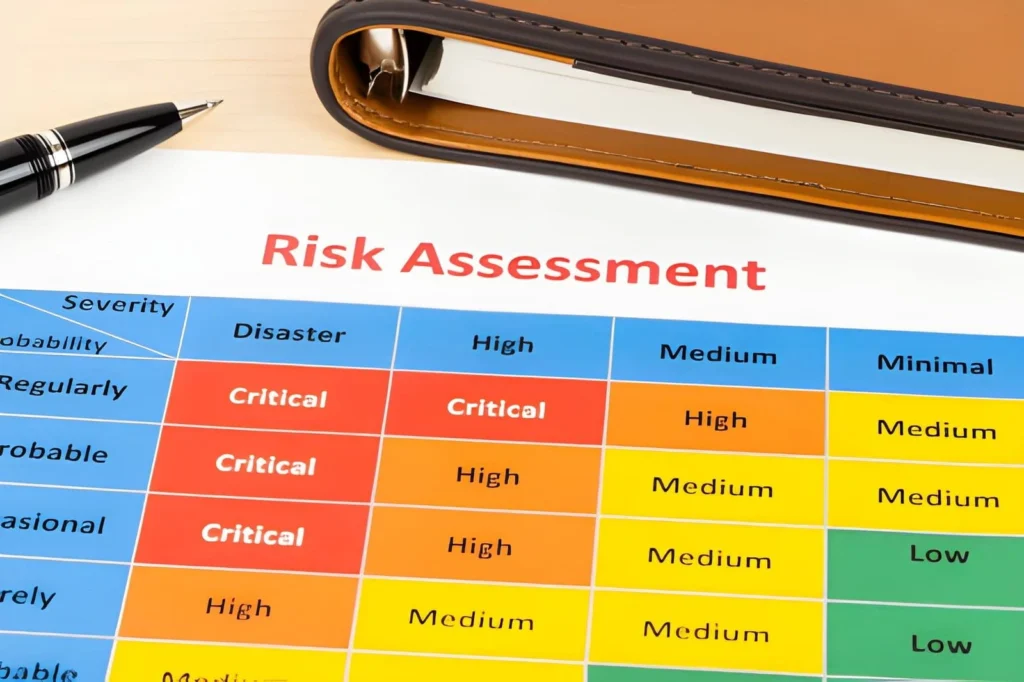
For every property owner, landlord, and business operator, fire safety is a top responsibility. Your structure needs constant safety supervision. You run a modest home or a big office; it makes no difference. All persons are subject to safety guidelines. A fire inspection certificate is among the most crucial paperwork establishing the safety of your home.
This guide explains everything in a clear and simple way. It will help you understand what a inspection certificate is, why it matters, how to get one, and how it protects people and property.
What Is a Fire Inspection Certificate?
A fire inspection certificate is an official document. A trained fire safety expert gives this document after checking your building. The specialist checks the house to ensure it satisfies all fire safety codes.
The inspector methodically checks every inch of the building. They seek fire hazards, test safety systems, and assess emergency plans. They award the fire inspection certification if everything satisfies the requirements.
This certificate shows that your building is safe for people to live in, work in, or visit.
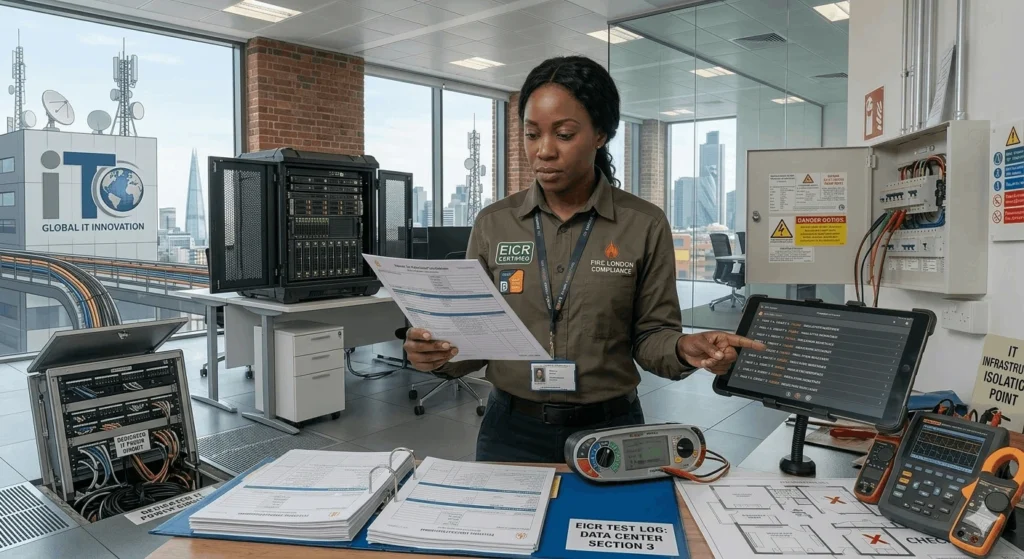
Why Is a Fire Inspection Certificate Important?
You must understand why a fire certificate is important. It plays a key role in safety and legal compliance.
1. Legal Compliance
You must follow fire safety laws. Many areas require a valid fire inspection certificate. If you ignore this rule, you may face fines or legal action.
2. Life Protection
The main goal of a fire inspection is to protect lives. A valid inspection certificate shows that your building reduces fire risks and supports safe evacuation.
3. Property Protection
Fire can destroy buildings quickly. A fire inspection certificate proves that you have taken steps to prevent damage.
4. Insurance Requirements
Insurance companies expect you to follow safety rules. If you do not have a valid fire inspection certificate, they may refuse to pay for fire damage.
What Does a Fire Inspection Cover?
A fire inspection is a detailed process. The inspector checks many parts of your building before issuing a fire inspection certificate.
Fire Detection Systems
The inspector checks smoke alarms and fire detectors. These devices must work properly and be placed in the correct areas.
Fire Fighting Equipment
The inspector checks fire extinguishers, fire blankets, and other tools. These must be easy to access and ready to use.
Electrical Safety
The inspector checks wires and electrical systems. Faulty wiring is a common cause of fire, so it must be safe.
Escape Routes and Exits
The inspector ensures that all exit paths are clear. People must leave the building quickly in an emergency.
Fire Doors and Compartments
The inspector checks fire doors. These doors must close properly to stop fire and smoke from spreading.
Who Needs a Fire Inspection Certificate?
Many types of properties require a fire inspection certificate. If people live in or visit your building, you likely need one.
Common examples include:
- Rental homes and flats
- Offices and commercial buildings
- Shops and restaurants
- Warehouses and factories
- Schools and hospitals
If you manage any of these, you must obtain a fire inspection certificate to ensure safety and follow the law.
How to Obtain a Fire Inspection Certificate
You can follow a clear process to get a fire inspection certificate. Each step is simple but important.
1. Hire a Qualified Professional
You must choose a trained and certified fire safety inspector.
2. Conduct a Fire Risk Assessment
You should review your building before the inspection. This helps you find and fix problems early.
3. Prepare Your Property
You must ensure all safety systems work properly. You should also clear all exit paths.
4. Schedule the Inspection
You must book an official inspection. The expert will visit your property and check everything.
5. Fix Any Issues
If the inspector finds problems, you must repair them quickly.
6. Receive Your Certificate
After you meet all safety rules, the inspector will issue your fire inspection certificate.
Common Reasons for Inspection Failure
Some buildings fail inspection due to simple mistakes. You must avoid these problems:
- Blocked or unclear exit routes
- Broken or missing smoke alarms
- Expired fire extinguishers
- Unsafe electrical systems
- Missing fire safety signs
You should fix these issues before the inspection to receive your fire inspection certificate without delay.
How Often Should You Renew Your Certificate?
A fire inspection certificate does not last forever. You must renew it regularly.
In most cases:
- Businesses need yearly inspections
- Rental properties need checks every few years
- High-risk buildings need more frequent inspections
Regular renewal ensures your building stays safe over time.
Benefits of Having a Fire Inspection Certificate
A valid certificate provides many benefits.
Peace of Mind
You feel calm knowing your building is safe.
Increased Property Value
Buyers and tenants trust safe buildings.
Business Continuity
Businesses run smoothly when they avoid fire risks.
Strong Reputation
People trust you when you follow safety rules.
Tips to Maintain Fire Safety Compliance
You must maintain safety even after you get your fire inspection certificate.
Follow these simple steps:
- Test smoke alarms often
- Service fire extinguishers regularly
- Keep exit routes clear at all times
- Teach people basic fire safety rules
- Practice fire drills regularly
These actions help you stay prepared and safe.
Conclusion
A fire inspection certificate is not just a document. It is proof that you care about safety. It shows that you protect people, property, and your future.
You must take fire safety seriously at all times. You should not wait for an emergency. You should act early and follow all safety steps. When you maintain your inspection certificate, you create a safe place for everyone.
Start today. Check your building, fix any risks, and arrange your inspection. A valid inspection certificate is the best way to ensure safety and peace of mind.