

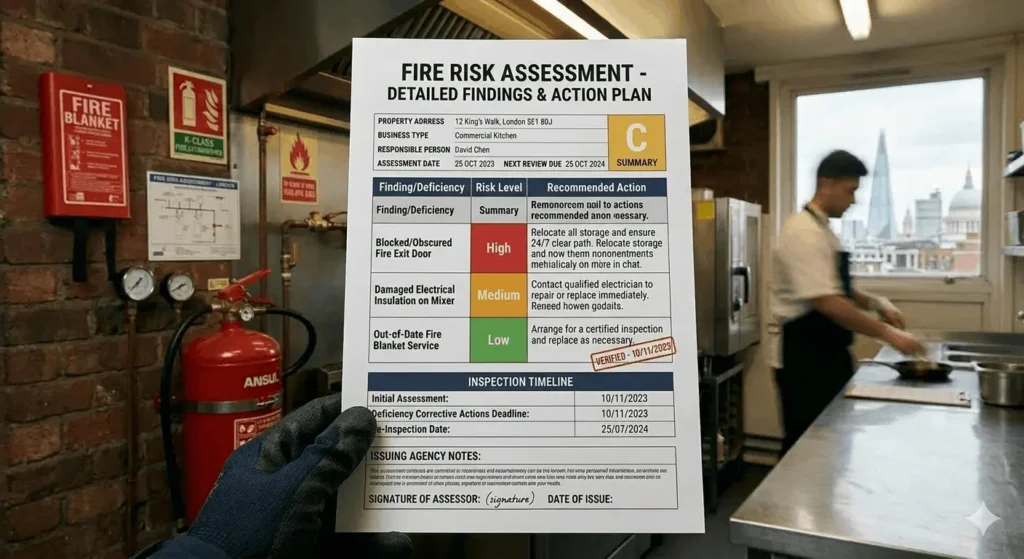
Keeping a building safe from fire is a very big job for every person who owns or looks after a house. Whether it is a home, a shop, or a large office, taking steps to stop fires is a must. One of the best ways to stay safe is by hiring an expert to do a professional check. However, many people often ask what makes the Fire Risk Assessment Price go up or down. They want to know why the cost is not the same for every single building in the city.
The truth is that there is no one set cost for this work. The Fire Risk Assessment Price depends on many different things. These include how big the building is, how many rooms it has, and how much danger is inside. When you understand these points, you can make better choices. You also make sure you get good value for your money.
Why do Fire Risk Assessment prices vary
Before we look at the small details, you must understand why the Fire Risk Assessment Price is different for every house. Every building is unique. Some houses are very simple and easy to look at. Other buildings need much more time and a very smart expert to check every corner.
The price shows the hard work, the time, and the smart skills needed to finish the check the right way. A deep check finds every risk and gives you good advice. This kind of quality work is always worth the cost because it keeps people safe.
Property Size and Layout
One of the biggest things that changes the Fire Risk Assessment Price is the size of the building. Large buildings take a lot more time to check. This is because there are many more rooms and hallways to walk through. The expert must look at every single area to be sure.
For example, a tiny flat might only need a very short check. However, a giant office or a tall block of flats will need a much deeper look. The shape of the building matters too. Buildings with many floors or hidden spots, like basements, need extra work. As the size and the shape get more complex, the time for the check grows. This makes the price go up.
Type of Property
The kind of building you own plays a big role in the Fire Risk Assessment Price. Different buildings have different levels of danger. They also have different rules for safety that you must follow.
Homes for families are usually easier to check than shops or factories. Offices and restaurants often have more risks because they have many machines or things that catch fire easily. For example, a kitchen in a restaurant has hot flames and oil. This needs a much deeper check than a quiet office. This difference in danger changes the final cost of the work.
Age and Condition of the Building
Older buildings often have very old wires and materials. These might not follow the new safety rules that we have today. Because of this, checking these old houses can take a lot more effort and time.
The Fire Risk Assessment Price might be higher for old houses. This is because the expert must look very closely for hidden dangers. They check for weak walls or electrical wires that are worn out. Newer buildings usually follow the new rules already. This means they might take less time to check, which can make the cost lower.
Level of Risk Involved
The amount of danger inside a building is another key point for the Fire Risk Assessment Price. Buildings with more risks need a very deep look and a lot of planning. High-risk spots include places with things that burn fast or places that use a lot of power.
If a building has big machines or a lot of people inside, the expert must work harder. They spend more time finding hazards and telling you how to stay safe. Places with cooking tools also need more care. This extra work naturally makes the price higher than a simple building.
Number of Occupants
The number of people using the building also changes the Fire Risk Assessment Price. A building with many people needs a very strong plan to get everyone out fast. The expert must think about every person inside.
A small office with only two workers is easy to check. A large building with hundreds of people is much harder. More people mean more work for the expert. They must plan how every person will leave the building safely. This adds more time and more steps to the check, which changes the cost.
Fire Safety Systems in Place
The safety tools already inside a building can change the Fire Risk Assessment Price. Buildings with smart tools like loud alarms and water sprinklers might need extra checks. The expert must test these tools to make sure they work the right way.
Testing these systems adds more steps to the inspection path. If a building has very few safety tools, it might need fewer tests. However, the expert might have to give you a long list of new things to buy. Both of these points can change how much you pay at the end.
Documentation and Reporting Requirements
A professional check always comes with a big report at the end. The details inside this report can change the Fire Risk Assessment Price. Some buildings only need a simple paper with a few notes.
Other buildings need a very long report with many details and a big action plan. Shops and offices often need these formal papers to follow the law. Writing a deep report takes a lot of time and skill. This work is part of the total cost you pay for the service.
Property compliance in the UK must strictly satisfy the statutory criteria detailed in the official Regulatory Reform (Fire Safety) Order 2005. Landlords and managers can verify specific building safety classifications by reviewing the formal legislative fire safety risk assessment guides provided by the Home Office.
Experience and Qualification of the Assessor
The skills and the training of the person doing the check also change the Fire Risk Assessment Price. Experts with a lot of training might ask for more money for their work. However, they also give you very accurate answers.
Their smart skills make sure that no danger stays hidden. Picking a person with good training is always a wise choice. You should never pick a lower price if it means you get a check that is not safe. Safety is much more important than saving a few coins.
Location and Accessibility
Where the building sits can also change the Fire Risk Assessment Price. Buildings in busy parts of the city might need more travel time for the expert. This can add to the cost.
How easy it is to get into the building matters too. If a building is hard to walk through or has very tight spaces, the check will take longer. Complex layouts that are hard to navigate make the expert work for more hours. These things can make the total cost go up a little bit.
Frequency of Assessment
Doing checks often can actually save you money on the Fire Risk Assessment Price over time. Buildings that get a check every year stay in very good shape. This makes every new check fast and easy for the expert.
If you wait a very long time between checks, the building might have many new problems. This makes the next check take a long time and cost more money. Keeping your checks up to date is a smart way to manage your money while staying safe.
Balancing Cost and Quality
When you look at the Fire Risk Assessment Price, you should think about quality first. A cheap check might miss a big danger. A deep and professional check gives you safety for a long time. It helps you stop fires and protect the people you love.
Investing in a good check also stops you from having expensive repairs later. It makes sure you follow the rules of the city. In the end, the value of staying safe is much higher than the price you pay for the check.
Conclusion
The Fire Risk Assessment Price depends on many points, such as size, risk, and the skill of the expert. Every building is unique, so every price is different. Understanding these points helps you make a good choice for your home.
Instead of looking only at the price, you should look for a check that is very thorough. A good check is not just a cost. It is a smart way to protect your building and your people. Taking this step gives you peace of mind and keeps everyone safe from fire.