

Keeping your home safe from fire is one of the most important jobs for any person who owns or lives in a house. Fires can start when you do not expect them. The results of a fire can hurt people and damage their things. This is why a home fire risk assessment is a vital task. This guide helps you understand what a home fire risk assessment is and why it matters. It also shows you how to do one in a simple and good way.
A home fire risk assessment is a very careful check of your house. You do this to find any possible fire hazards. The purpose of this assessment is to find anything that could start a fire or help a fire grow. This includes things like broken wires or plugs that have too many things in them. It also covers materials that burn fast or paths that stay blocked. When you do this check, you protect your family and your home. It is a smart step to stop a fire before it ever begins.
Why a Home Fire Risk Assessment is Important
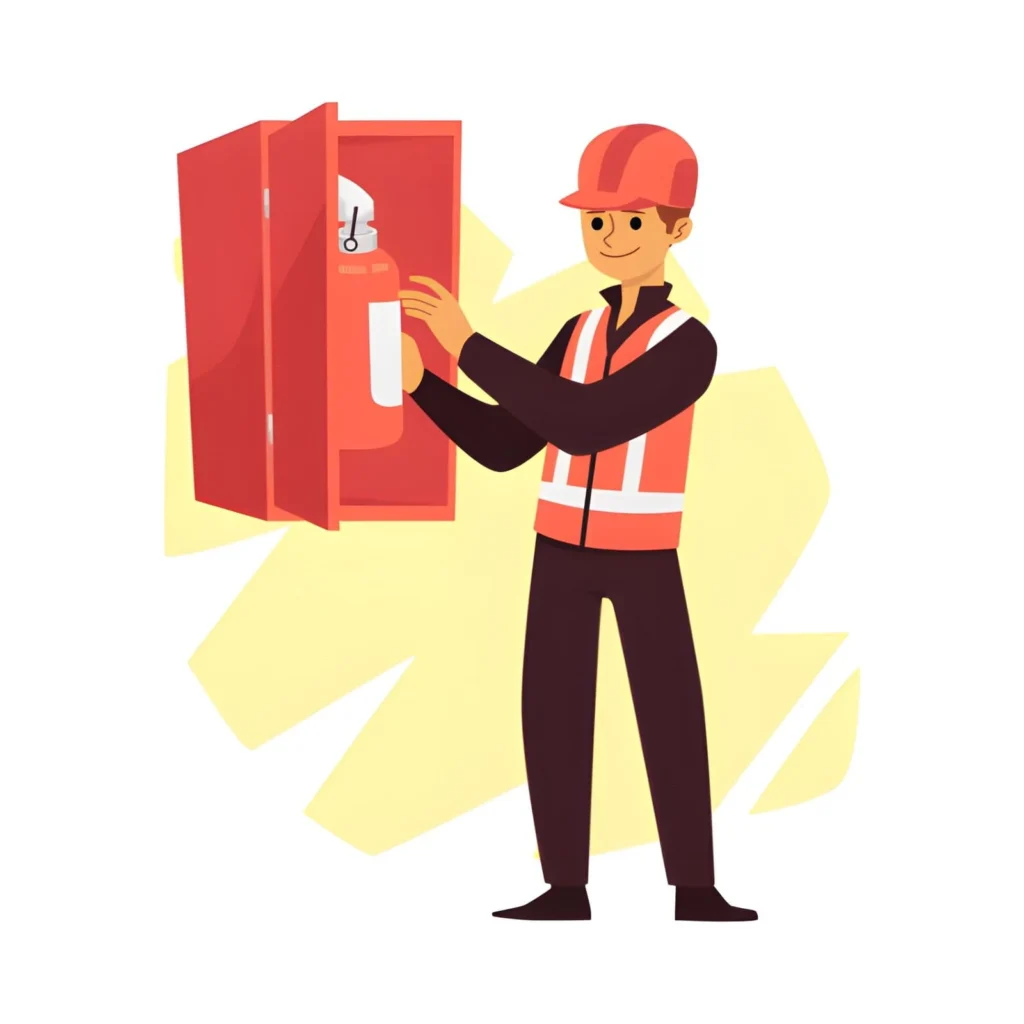
Many people think a fire risk assessment is only for offices or commercial buildings. But a fire can happen anywhere, even in a small home. A home fire risk assessment is crucial because it protects lives. The most important reason is the safety of your family. Finding a hazard early stops people from getting hurt.
A check also protects your property. A fire can destroy your bed, your TV, and even the walls of your house. A risk assessment helps keep this damage away. Knowing your home is safe also gives you peace of mind. You can feel happy and sure about your safety. Some insurance companies also want to see that you have a safe home. A written check can help you if you ever need to ask them for help.
Steps to Conduct a Home Fire Risk Assessment
You do not need to be an expert to perform a home fire risk assessment. You can check your house by following these simple steps. First, check your electrical tools and your wires. Broken power systems are a common cause of fires. Make sure every tool works the right way and never leave them on when you are not there.
Second, look for materials that catch fire easily. This includes cleaning liquids and chemicals. Additionally check for cloth, boxes, and piles of paper. Stay away from flammable objects with your candles and incense sticks. Keep all of these products in a secure location away from fire or intense heat.
Testing Alarms and Planning Escape Routes
The third step is testing your smoke alarms. These tools save lives by making a loud noise very early. Every level of your house should have at least one functional alarm. Check these alarms monthly to ensure they sound. Regular battery replacements will also assist to maintain their power. A working alarm helps your family get out in extra minutes.
Fourth, you must plan your escape routes. If a fire starts, you need to know how to get out fast. Find every door and window that leads outside. Make sure the paths to these exits stay clear and empty. You should never leave boxes or toys in the way. Practice your exit plan with everyone in the house. Having a simple plan that you practice can save lives during a scary emergency.
Kitchen and Heating Safety
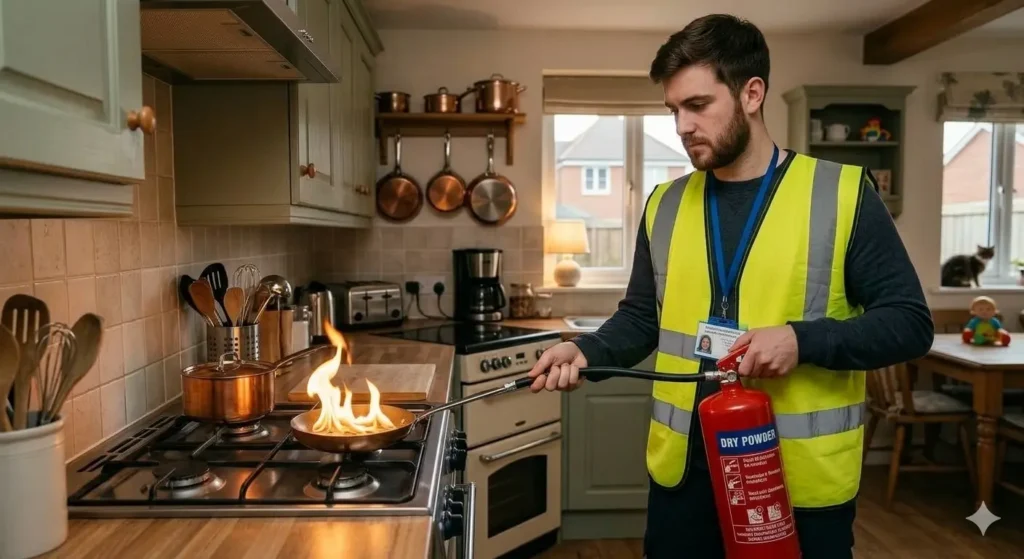
The kitchen is often the place where a fire begins. Check your stove and your oven for any damage during your home fire risk assessment. Make sure you use your cooking tools the right way. Keep a fire extinguisher nearby just in case.
Sixth, check your heaters and your fireplace. If you use a heater that runs on gas or power, make sure it is safe. Look at your chimney to see if anything blocks it. Store wood or fuel far away from the fire. You should look after your heating tools every year to stop accidents from happening.
Education and Professional Help
A home fire risk assessment is also about teaching people. Make sure every person in your house knows what to do. They should know how to use safety tools and where the exit doors sit. Education stops people from feeling scared and helps them act fast.
While you can do a lot by yourself, hiring a professional for a home fire risk assessment is a great idea. An expert can find dangers that you might miss. They give you a report that you can show to insurance companies. This is very helpful for old houses or buildings with a complex shape. Experts help you make your home even safer.
Common Fire Hazards to Watch Out For
Watch carefully for typical dangers during your home fire risk assessment. Find power panels and ancient wires that break the rules. Be careful with open flames, such as candles, kept close to curtains. Treat flammable liquids and blocked corridors with extreme care. Verify your extension cords to be certain they do not have too many devices linked in. Knowing these dangers lets you take the necessary measures to maintain safety.
Tips to Maintain Fire Safety
A one-time check is good, but doing it often is much better. You should test your smoke alarms every single month. Change any broken tools or dead batteries right away. Always keep your exit paths empty and clean. Teach new people who move in about your fire safety rules. You should review your home fire risk assessment every year to keep it fresh. Being consistent is the best way to keep your family and your home safe.
Conclusion
One simple way to protect your family and your property is a home fire risk assessment. Identifying risks and keeping your tools ready reduces your fire hazard profile. Additionally, work on your strategy so everyone knows how to leave rapidly. You should not rely on chance for fire safety. With a simple check, you create a safe place for every person you love. A little preparation today might prevent a terrible, large disaster tomorrow. Book your fire risk assessment now.